Tenant Reports Mold? What CA, TX and FL Require and a 7-Step Plan for Out-of-State Landlords

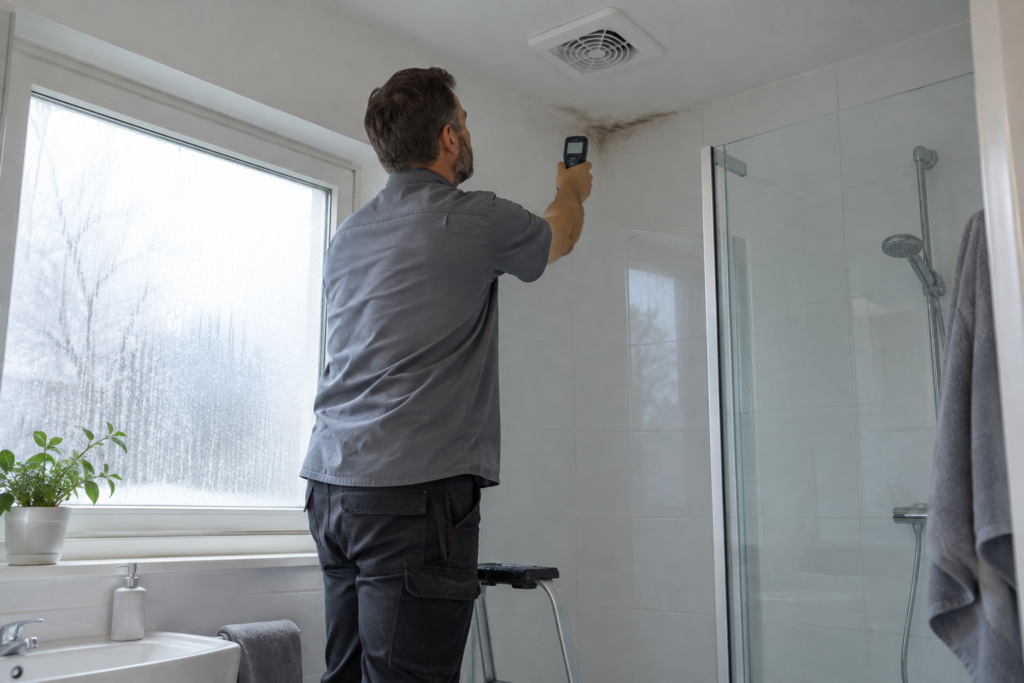
Winter is mold season in many rentals. Windows stay shut, showers run hot, and wet air hits cold glass and outside walls. Then a text arrives from 1,500 miles away: “There’s black stuff on the bathroom ceiling.” Here is what the rules say, what you can skip, and a 7-step plan you can run from your phone.
The facts first
- Moisture is the real problem. EPA’s Brief Guide to Mold, Moisture and Your Home says the key to mold control is moisture control. Dry water-damaged areas within 24-48 hours, and keep indoor humidity below 60% (ideally 30-50%). A humidity meter costs about $10-$50.
- Size decides who cleans it. EPA says that if the moldy area is less than about 10 square feet (roughly a 3 ft by 3 ft patch), in most cases it can be handled as a do-it-yourself job. Larger areas or heavy water damage call for EPA’s professional remediation guidance.
- California calls visible mold a housing defect. Since SB 655, Health and Safety Code 17920.3(a)(13) lists “visible mold growth,” as determined by a health or code enforcement officer, as a substandard condition. Minor mold on surfaces that normally get wet, like a shower caulk line, is excluded. Under Civil Code 1941.7, the repair duty starts once the landlord has notice (or not at all if the tenant is breaking their own upkeep duties under Section 1941.2).
- Texas licenses mold work, with a small-owner exemption. Occupations Code 1958.101 requires licenses for mold assessment and remediation. Section 1958.102 exempts any job under 25 contiguous square feet, and exempts an owner (or the owner’s managing agent or employee) working on their own residential property with fewer than 10 units. Under Property Code 92.052, a landlord must make a diligent effort to repair conditions that materially affect an ordinary tenant’s health or safety once notified, unless the tenant caused them.
- Florida’s line is 10 square feet. Statute 468.8411 defines licensed mold assessment and remediation as work on growth greater than 10 square feet. Section 468.841 exempts a residential owner working on their own property. Section 468.8419 bars an assessor from fixing mold on a building their company assessed in the last 12 months.
- The standard landlord policy is not a mold policy. The ISO dwelling form (DP 00 03 07 14) lists “mold, wet or dry rot” among its excluded causes of loss, next to wear and tear and corrosion. It does cover some sudden water discharge from plumbing or heating systems. Many insurers also add their own mold endorsements and sublimits.
The misconception: “Get an air test first”
But EPA says that when mold is visible, sampling is “in most cases” unnecessary. No EPA or other federal limits exist for mold or mold spores, so a lab number can’t show that a home passes or fails a federal standard. Testing can help confirm a large cleanup is finished.
Interpretation, not fact: for a small rental, a $300-$600 air test (illustrative, not a quote) usually buys less than the same money spent on a moisture meter reading, a bathroom fan and a plumber. Find the water, fix it, then clean.
What this means for a remote owner
Interpretation, not fact: mold is mostly a speed and paper-trail problem. In California the clock starts at notice. In Texas the duty follows notice for health and safety conditions. A complaint that sits in your inbox for two weeks looks worse than the mold. Treat every mold text like a leak report, because that’s usually what it is.
Not every case is on you. Condensation from a tenant who never runs the bath fan and dries laundry indoors is different from a roof leak. Document which one it is before you send anyone a bill.
The 7-step mold plan
- Answer the same day. Ask for photos with a tape measure in frame, the room, how long it has been there, and any musty smell or stains. Save the text thread. That timestamp is your notice date.
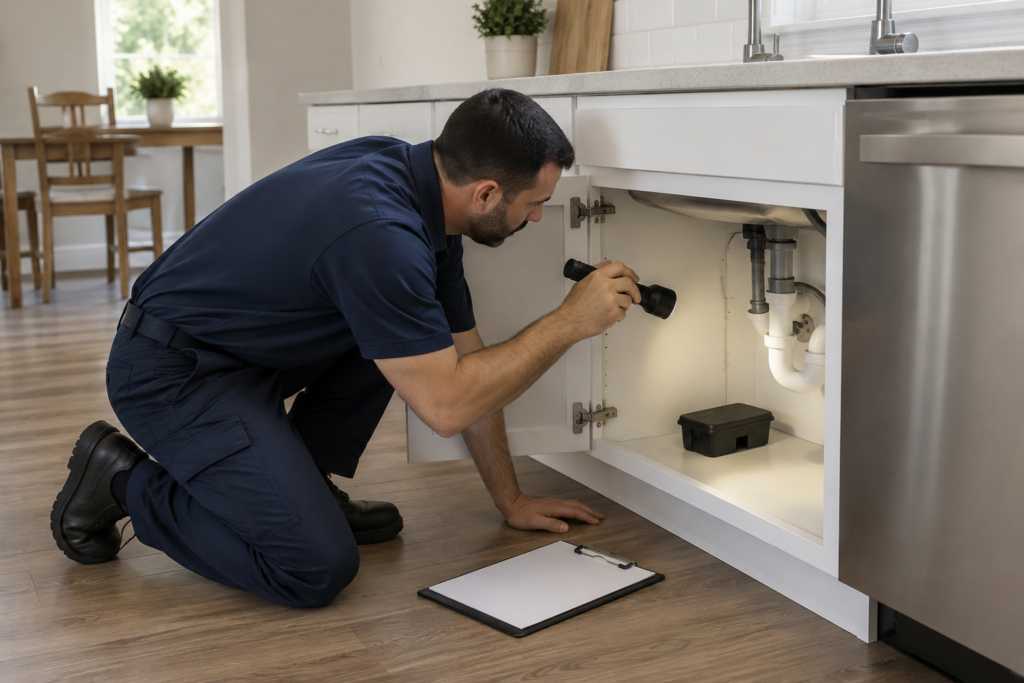
- Measure before you dispatch. Under about 10 sq ft with no active leak? A handyman visit is usually enough. Larger, near HVAC ducts, or after a flood? Call a remediation pro, and in Florida or Texas ask for license numbers when the job crosses the 10 or 25 sq ft lines.
- Find the water source. Send someone with a moisture meter. Check the bath fan (does it vent outside?), sills, the toilet base, under sinks, the roof above the stain and the dryer vent. Fix the cause first, or the mold comes back.
- Clean it right. Per EPA, scrub hard surfaces with detergent and water and dry them completely; moldy porous materials like ceiling tiles and carpet may have to be thrown away. Never paint over mold. EPA’s gear list: gloves, goggles, N-95.
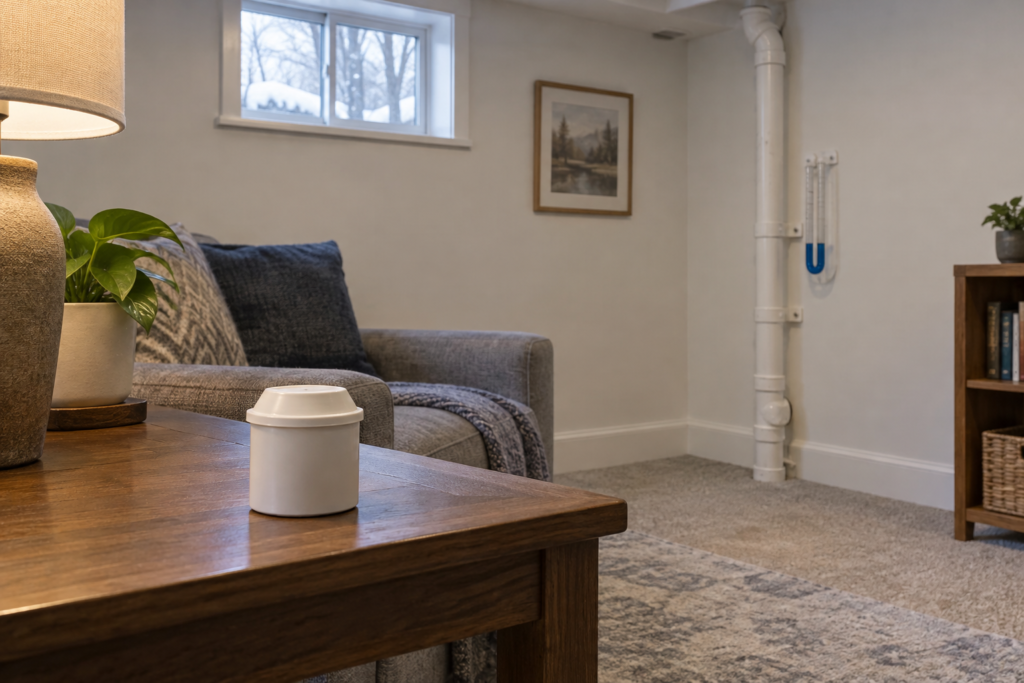
- Give the tenant simple moisture rules in writing. Run the bath fan during and 20 minutes after showers, use the range hood, keep furniture a few inches off outside walls, and report leaks within 24 hours. A $25 humidity meter left at the property helps everyone see the same number.
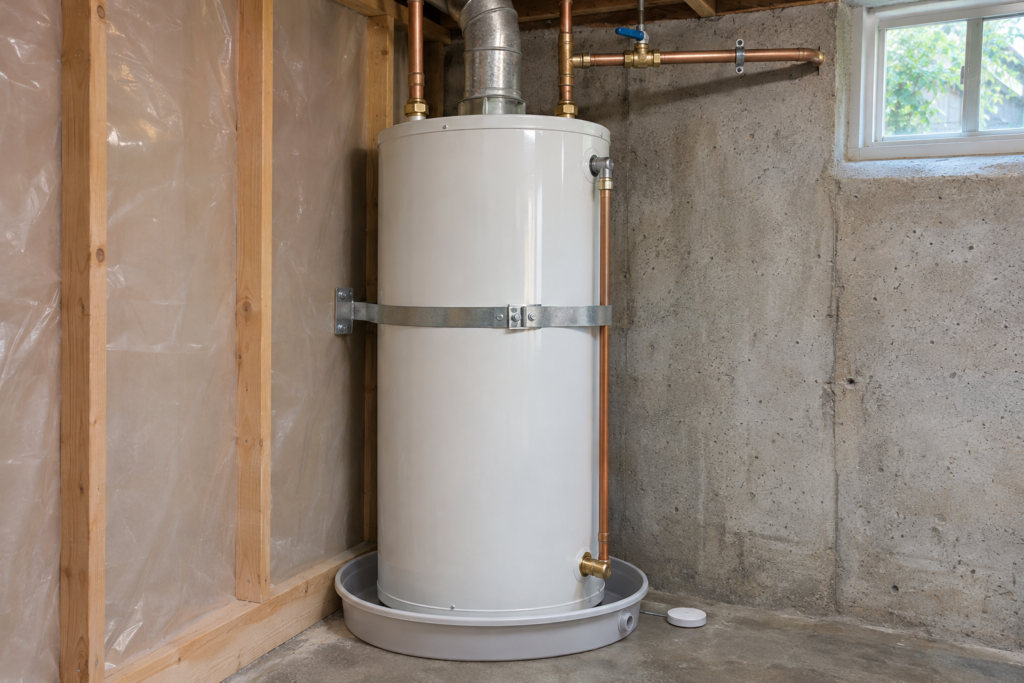
- Call your insurer when water is the cause. If a pipe burst or the roof leaked, report the water loss and ask how your policy’s mold language applies. Don’t expect the base form to pay for long-running seepage or humidity mold.
- Close the loop and log it. Get before-and-after photos, the invoice, and the moisture reading after repair. Recheck at your next mid-lease inspection. A clean file is your best answer to a later dispute.
What it might cost
Illustrative, not a quote: a bathroom ceiling patch, a new vented fan and a handyman visit might run $350-$900. Opening a wall after a slow leak and hiring a remediation company can reach several thousand dollars. That is why the 2 a.m. repair playbook and a funded repair reserve matter. Line up a trusted vendor ahead of time with our handyman vetting guide. Check your coverage with the landlord insurance checklist, and see how to manage an out-of-state property by yourself.
This article is for general education only and is not legal, insurance, financial or medical advice. Mold, habitability and licensing rules vary by state and city and change over time; confirm current requirements with your local code office, state licensing agency, insurer or a licensed attorney. Statute details are as of November 2026; cost figures are illustrative, not quotes. If a tenant reports health symptoms, they should talk to a medical professional. The featured image is an AI-generated illustration and does not show a real property.