Mice, Roaches or Bed Bugs at Your Out-of-State Rental: Who Pays and a 7-Step Pest Plan

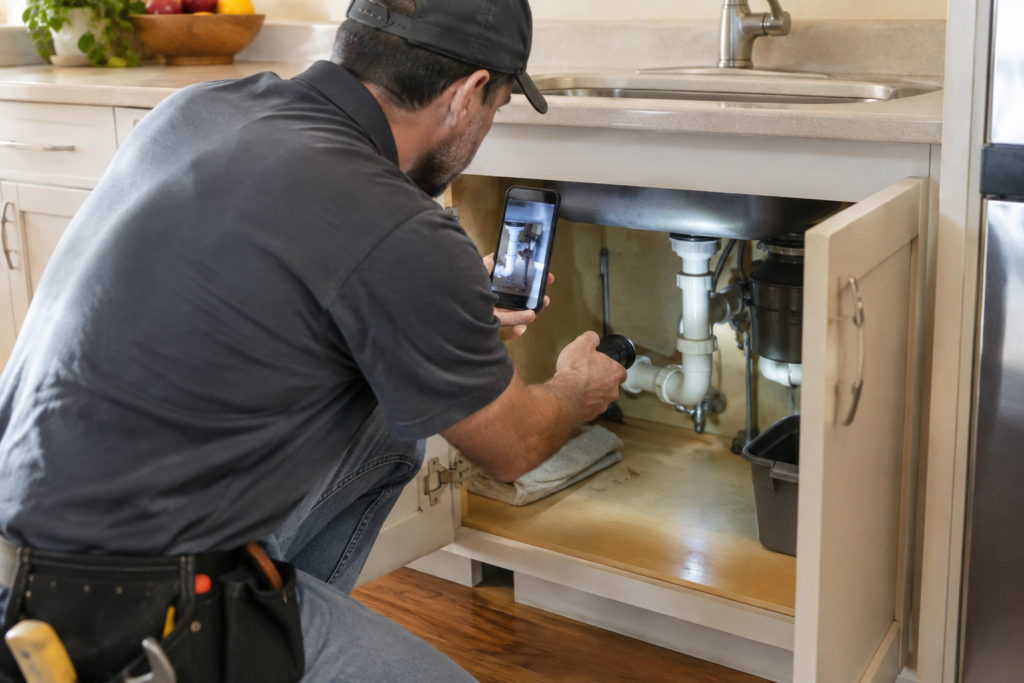
Cooler November nights push mice indoors, and a tenant’s text with a photo of droppings, a roach or a bite mark is one of the most stressful messages a remote landlord gets. You can’t go look. This is a plain-English plan for who pays, how to respond from another state, and what to put in writing before the next text arrives.
The common mistake: “Pests are the tenant’s problem”
Many owners assume pest control is always on the tenant. Sometimes it is, but the answer depends on the state, the type of building, the lease and the cause. Three examples:
- Florida. Under section 83.51(2)(a), unless otherwise agreed in writing, the landlord of a unit other than a single-family home or duplex must make reasonable provisions for extermination of rats, mice, roaches, ants, wood-destroying organisms and bedbugs. If the tenant must leave for treatment, the landlord gives 7 days’ written notice, abates the rent, and the tenant can’t be required to leave for more than 4 days. For a single-family home or duplex, that specific duty doesn’t apply, so your lease language matters more. Under 83.51(4), the landlord isn’t responsible for conditions the tenant or their guests caused.
- Texas. Property Code 92.052 requires a diligent effort to repair a condition that materially affects the physical health or safety of an ordinary tenant, after notice from a tenant who is current on rent. There is no duty to fix a condition caused by the tenant, their household or guests (other than normal wear and tear).
- California. Civil Code 1941.1(a)(6) lists, as a habitability standard, premises clean and free of rodents and vermin at the start of the lease and in all areas under the landlord’s control. California also has a bed bug chapter (sections 1954.600-1954.605): you can’t show or rent a vacant unit you know has a current bed bug infestation, you must give a written bed bug information notice before a new tenancy, and you must share a pest control operator’s inspection findings with the affected tenants in writing within two business days.
Interpretation, not fact: in practice, a serious rodent or roach problem, or one coming from the structure (gaps, a neighboring unit, a crawlspace), tends to land on the owner. Ants after a tenant leaves food out tend to land on the tenant. Either way, the faster you respond, the cheaper and calmer it usually stays.
Don’t count on insurance
The standard ISO dwelling policy form (DP-3) lists damage caused by birds, rodents and insects among the exclusions, alongside wear and tear. Chewed wiring or termite damage is usually a maintenance cost, not a claim. Check your own policy wording, but budget pest work from your repair reserve.
The 7-step remote pest plan
- Put pest rules in the lease. Say who handles routine pests (ants, occasional spiders) and who handles infestations (rodents, roaches, bed bugs, termites), how fast the tenant must report, and that the tenant must cooperate with prep and access. Have it reviewed for your state, and remember a lease can’t waive duties your state makes mandatory.
- Ask for photos and a short description within hours. What, where, how many, since when. The EPA’s first bed bug tip is to confirm you really have bed bugs and not fleas or another insect. A clear photo saves a wasted visit.
- Respond in writing the same day. Acknowledge the report, give a timeline and log it. In Texas, the repair duty is triggered by tenant notice; in every state, a dated paper trail protects you if the tenant later says nothing happened.
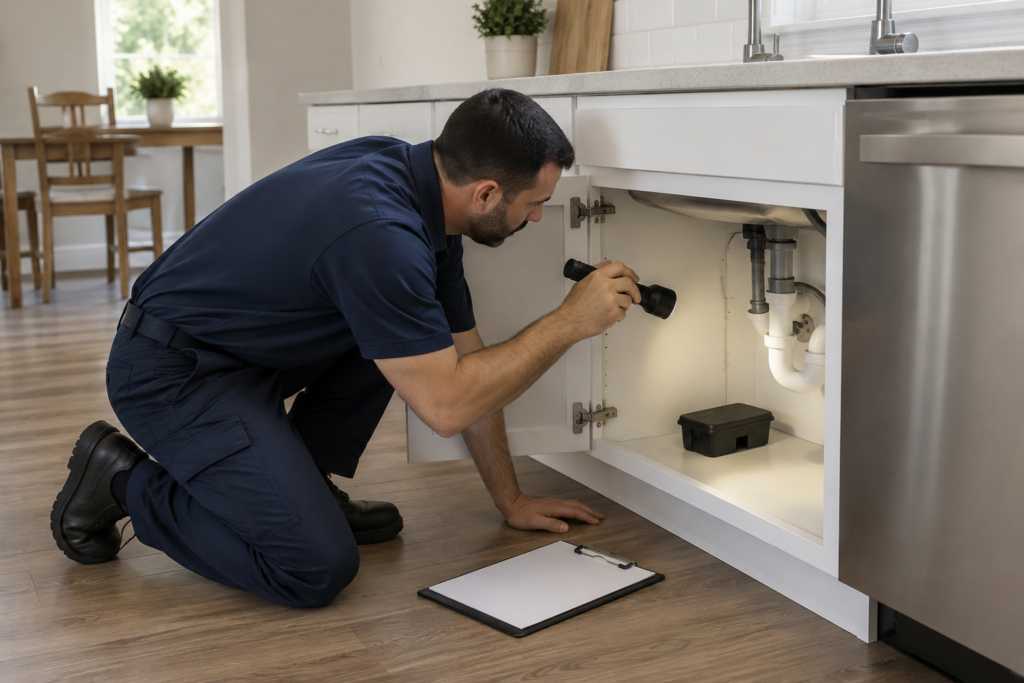
- Send a licensed professional, not a can of spray. Pest control companies are licensed by the state, for example by Florida’s FDACS (which has a public database of licensed companies and applicators) and the Texas Department of Agriculture’s Structural Pest Control Service. Check the license the way you’d vet a handyman, and ask for a written inspection report with photos.
- Ask for an IPM approach. The EPA describes integrated pest management as using life-cycle information and a mix of methods to control pests by the most economical means, with the least hazard to people and property. For a remote owner, that means sealing entry points, fixing leaks and trimming vegetation along with treatment. Otherwise you pay for the same call every quarter.
- Handle access and notice correctly. Give the entry notice your state requires (see our mid-lease inspection guide), send the tenant the company’s prep sheet, and share findings in writing. California requires that within two business days for bed bug inspections. It’s a good habit everywhere.
- Close the loop and fix the cause. Schedule the follow-up visit, then get the exclusion repairs done: door sweeps, gaps around pipes, screens, crawlspace vents. Add a pest check to your turnover make-ready list so the next tenant doesn’t move into the problem.
One safety note on DIY bait
If a tenant or handyman wants to put down rodent bait, keep it simple. The EPA says consumer rodenticides are now sold as ready-to-use bait stations, and loose pellet baits are no longer allowed in consumer products. The stronger second-generation anticoagulants are registered only for professional use. In a home with kids or pets, that’s another reason to bring in a licensed company.
What it can cost (illustrative, not a quote)
Using made-up but realistic numbers: a one-time rodent visit with sealing might run $250-$600, and a quarterly general pest plan $100-$150 per visit. A whole-home bed bug treatment can cost far more, often into four figures. Compare that with a tenant who stops paying rent, breaks the lease or files a code complaint because nobody answered for two weeks. Prices vary widely by market and pest, so get two written quotes.
The bottom line
Most pest problems get expensive because of slow response, not the bugs themselves. Decide now who handles what, keep one licensed company’s number on file for each property, and answer every report in writing the same day. If you’d rather hand this off, our guide to hiring a property management company covers what to ask about pest response times.
This article is general educational information, not legal, insurance or financial advice. Landlord pest-control duties vary by state, city, building type and lease, and can change; confirm the rules for your property with a local attorney or qualified professional. Cost figures are illustrative. The featured image is AI-generated and does not show a specific property, company or product.