Christmas Trees, Roof Lights and Nail Holes: A 7-Step Holiday Decorating Plan for Out-of-State Landlords

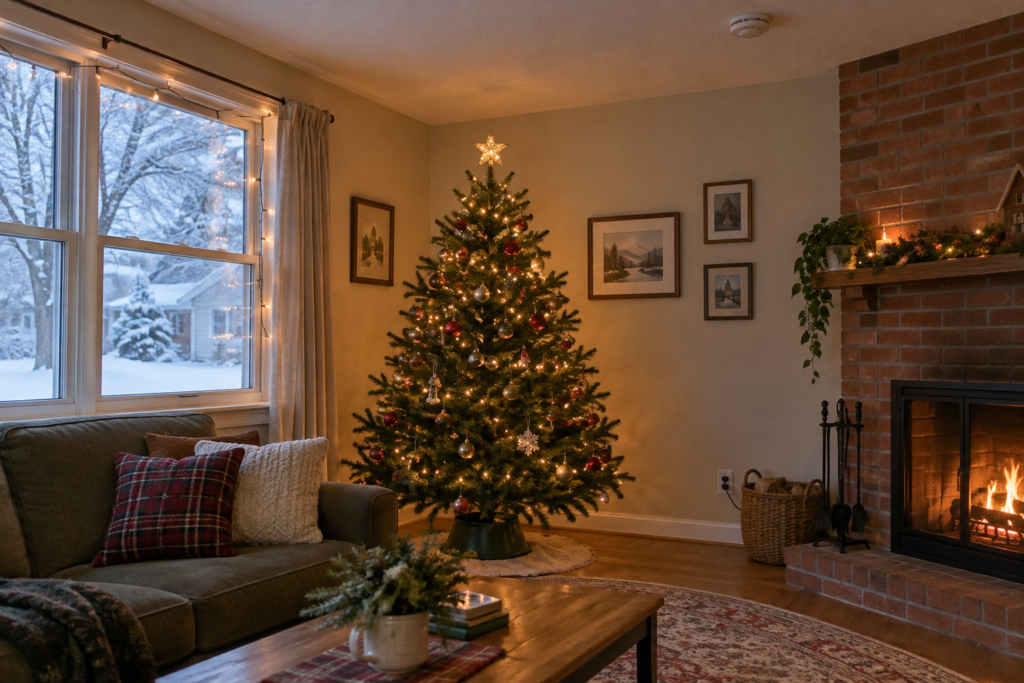
This weekend is when a lot of tenants haul out the tree, the ladder and the extension cords. If you own a rental a few states away, you will not see any of it. You will only hear about it if something goes wrong: a dried-out tree, a light string stapled through the shingles, or a wall full of anchor holes at move-out.
The fix is not a ban on decorating. It is one friendly message with a few clear ground rules, sent before the boxes come out. Here is what the data says and a 7-step plan you can run from your phone.
What the numbers say
- Tree fires are rare but serious. From 2020 to 2024, U.S. fire departments responded to an average of 143 home fires per year that started with Christmas trees. NFPA estimates those fires caused 7 civilian deaths, 13 injuries and $15 million in property damage over that period (NFPA, Winter holidays).
- Electricity and heat are the usual causes. Nearly half of home Christmas tree fires involve electrical problems, and a heat source too close to the tree causes nearly one in four. Almost half start in the living room (NFPA).
- January is the risky month, not December 24. About 35% of Christmas tree home fires happen in January, after trees have dried out (NFPA news release, Jan. 2026).
- Falls are the most common injury. CPSC counts about 160 decorating-related injuries a day during the season, nearly half involving falls, and about 14,900 emergency room visits in its most recently reported season (Nov. 2022 to Jan. 2023) (CPSC).
Interpretation, not fact: for a small landlord, the realistic risks are a tenant falling off a ladder at your house, a roof or siding leak from fasteners, and a deposit fight over wall damage. A full tree fire is unlikely, but it is the most expensive outcome, so it gets the most attention below.
The misconception: “Any nail hole comes out of the deposit”
Many owners assume that if the lease says “no nails,” every hole is deductible. Deposit law usually does not work that way. Texas defines normal wear and tear as deterioration from the intended use of the dwelling, but not deterioration from negligence, carelessness, accident or abuse (Tex. Prop. Code 92.001). California bars deposit claims for ordinary wear and tear and limits charges to reasonable amounts (Cal. Civ. Code 1950.5).
Interpretation, not fact: a few small picture-nail holes are often treated as normal use of a home, while large anchors, torn drywall or paint pulled off by adhesive hooks look more like damage. Where the line falls depends on your state, your lease and your move-in photos. If you want to avoid the fight, tell tenants in advance what you consider fine.
The 7-step holiday decorating plan
- Send one message this week. Keep it warm: “Decorate and enjoy it. Here are a few house rules so nobody gets hurt and nothing leaks.” A short, written note also gives you a dated record of what you asked for.
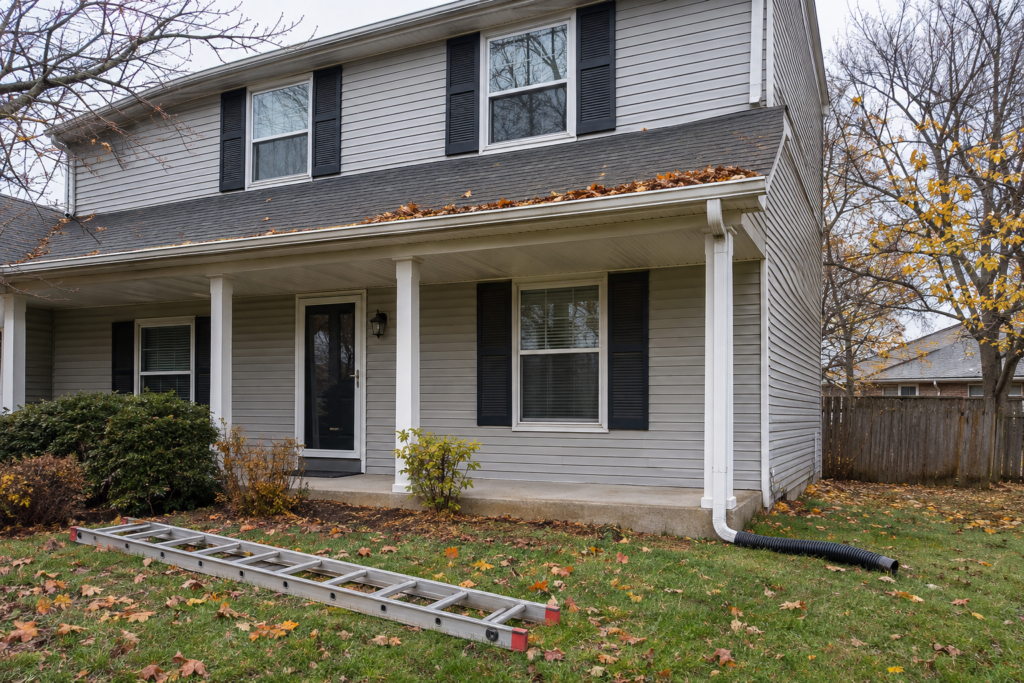
- Keep everyone off the roof. Ask tenants not to climb onto the roof and not to nail or staple lights into shingles, siding or trim. Suggest plastic gutter or shingle clips (illustrative cost: $10-20 a pack, not a quote) or lights along porch railings and shrubs. Interpretation: every fastener through a roof is a possible leak you will discover in March, and a fall at your property is a call to your insurer. If you want roofline lights, hire a pro and check your landlord policy and umbrella coverage first.
- Share the cord rules. The U.S. Fire Administration says to throw away light strands with frayed wires or broken sockets, not to connect more than three strands unless the directions say it is safe, not to overload outlets or extension cords, and not to run cords under rugs (USFA holiday checklist). Ask the tenant to report any outlet that is warm, sparks or trips a breaker. That is your repair, not theirs.
- Give simple tree rules. USFA advises watering a live tree every day, keeping it at least 3 feet from fireplaces, heaters, radiators and vents, turning lights off at bedtime or when leaving, and taking a live tree down when it is dry, no more than two weeks up (USFA). If the rental has a fireplace, pair this with our chimney plan; USFA also says not to burn tree branches or wrapping paper in a fireplace.
- Ask for flameless candles and a quick alarm test. USFA recommends battery candles where possible, real candles at least 12 inches from anything that burns, and testing smoke alarms monthly (USFA holiday fire safety; USFA checklist). Ask the tenant to press the test button and text you “done.” Our smoke and CO alarm guide covers what you must supply.
- Say what is fine on the walls. Name it: “Small finishing nails for pictures are OK; please no large anchors, no screws in trim or doors, and follow the removal directions on adhesive hooks.” Then check your move-in photos so you know which holes were already there. Our move-out and deposit guide walks through documenting the difference. A typical drywall patch-and-paint visit runs roughly $150-300 (illustrative, not a quote), so it is rarely worth a dispute.
- Put a January check on your calendar. Because a third of tree fires happen in January, send a short note around New Year’s: “Hope the holidays were great. When is the tree coming down, and do you know the city pickup dates?” Remind tenants that your landlord policy generally protects the building, not their gifts and furniture, so renters insurance is worth having.
The bottom line
You cannot supervise decorating from another state, and you should not try. One clear message covering roofs, cords, trees, candles and walls handles most of the risk, and a January follow-up handles the rest. For more remote-owner routines, see our winter checklist and the resources and tools page.
This article is for general educational purposes only and is not legal, tax, insurance, financial or investment advice. Deposit, habitability and safety rules vary by state and city, and lease terms matter; check current rules or consult a qualified professional for your situation. Figures are from the sources linked above; cost examples are illustrative, not quotes. The featured image is AI-generated and does not show a real property.