The 9-Point Mid-Lease Inspection: How Out-of-State Landlords Catch Slow Leaks Without Annoying a Good Tenant

Most out-of-state landlords see the inside of an occupied rental twice: once at move-in and once at move-out. Everything in between is a guess. That is how a slow drip under a sink turns into a rotted cabinet floor and a mold bill, or how a smoke alarm sits dead for two years. A short, scheduled mid-lease inspection fixes that. Here is how to run one from another state, legally and without souring a good tenant.
Why the slow problems are the expensive ones
Sudden problems announce themselves. The tenant calls when a pipe bursts. Slow problems don’t. Tenants often don’t notice, or don’t think it’s worth mentioning, until the damage is visible.
That matters for insurance. The standard ISO dwelling form DP-3, which many landlord policies are built on, excludes loss caused by “constant or repeated seepage or leakage of water or steam over a period of weeks, months or years” from plumbing, heating, air conditioning or appliances. It also excludes wear and tear, mold and rot. The EPA says water-damaged areas should be dried within 24-48 hours to prevent mold growth.
Interpretation, not fact: the leaks your policy is least likely to pay for are exactly the ones a 30-minute look under sinks and around the water heater would catch. Your own policy wording controls, so read it. Our landlord insurance checklist walks through the lines to check.
The misconception: “I own it, so I can inspect whenever I want”
Owning the house does not give you open access once a tenant moves in. Entry rules come from state law and your lease, and they vary a lot:
- California: Civil Code 1954 lists specific reasons a landlord may enter, such as necessary or agreed repairs and services. It requires reasonable written notice, with 24 hours presumed reasonable (6 days if mailed). Entry must be during normal business hours, and the landlord must leave written evidence of the entry inside the unit.
- Florida: under Fla. Stat. 83.53, the tenant may not unreasonably withhold consent for the landlord to inspect. For repairs, the statute defines reasonable notice as at least 24 hours, with entry between 7:30 a.m. and 8:00 p.m.
- Washington: RCW 59.18.150 requires at least two days’ written notice that states the date and time (or a time window) and includes a phone number the tenant can use to object or reschedule.
- Oregon: ORS 90.322 generally requires 24 hours’ actual notice and entry at reasonable times. The tenant can deny consent for a non-emergency entry.
- Texas: the State Law Library notes there is no state law regulating landlord entry. Your lease controls, so what it says (or doesn’t) matters.
Interpretation, not fact: since California’s list of reasons doesn’t name a general “look-around” visit, tie each visit to a specific purpose: testing smoke alarms, changing the HVAC filter, checking for leaks. Wherever you are, put inspection timing into the lease itself. If a tenant refuses access, talk to a local attorney before you push it.
Why smoke alarms belong on the list
The U.S. Fire Administration says to test smoke alarms every month and replace them 10 years from the manufacture date. State duties differ. In Texas, Prop. Code 92.258 requires the landlord to test alarms when the tenant moves in. During the lease, the duty to inspect and repair kicks in only after the tenant reports a problem or asks. A mid-lease visit is an easy chance to test every alarm and read the date on the back, even where the law doesn’t require it.
The 9-point mid-lease inspection checklist
- Put it in the lease. Say inspections happen about twice a year, with written notice. Follow your state’s notice rules at minimum.
- Book it like a service visit. Send written notice with the date, a two-hour window, who is coming and why (“smoke alarm test, filter change, leak check”). Offer two time options. Show up when you said you would.
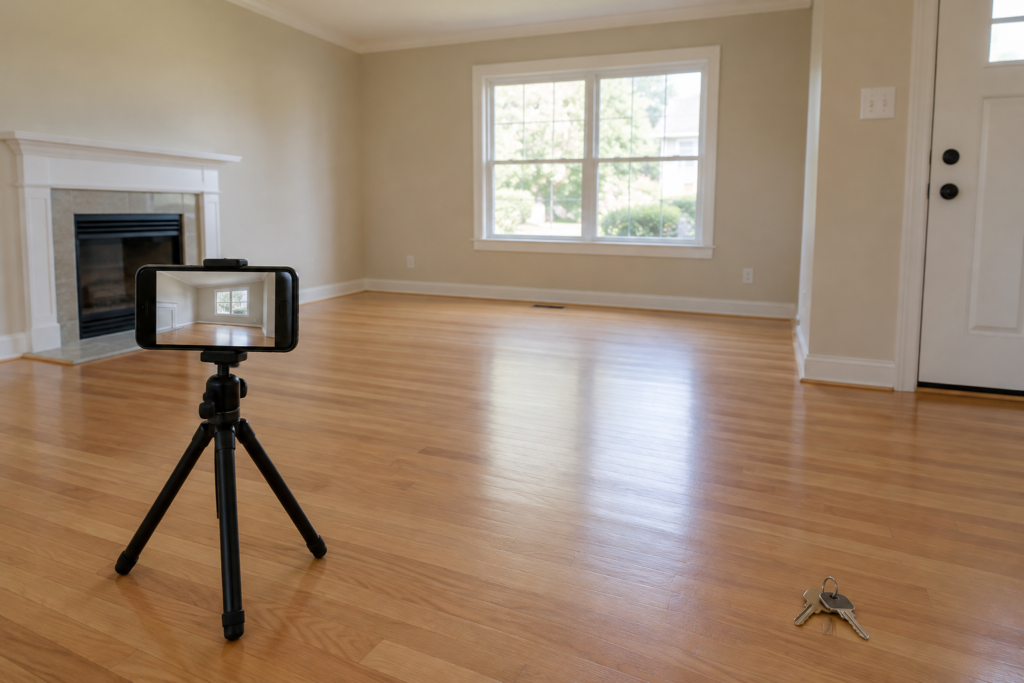
- Send someone you trust. Use your property manager, a vetted handyman or a local inspector. Ask for a time-stamped video, not just a “looks fine” text.
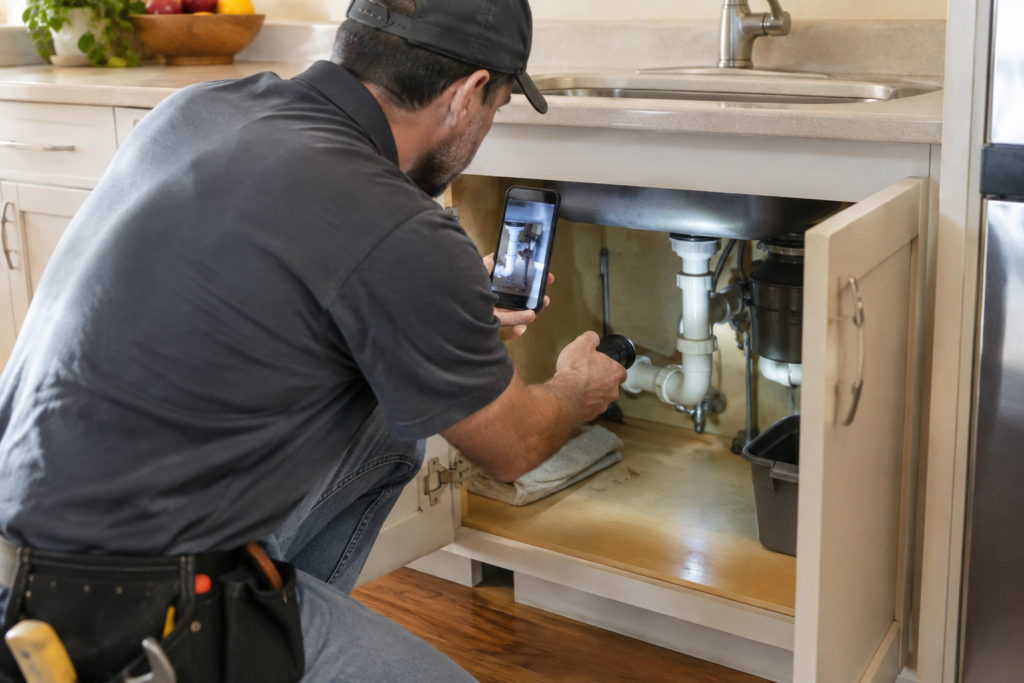
- Look under every sink and around every toilet. Check for staining, soft cabinet floors and corroded supply lines. Shoot this close-up on video.
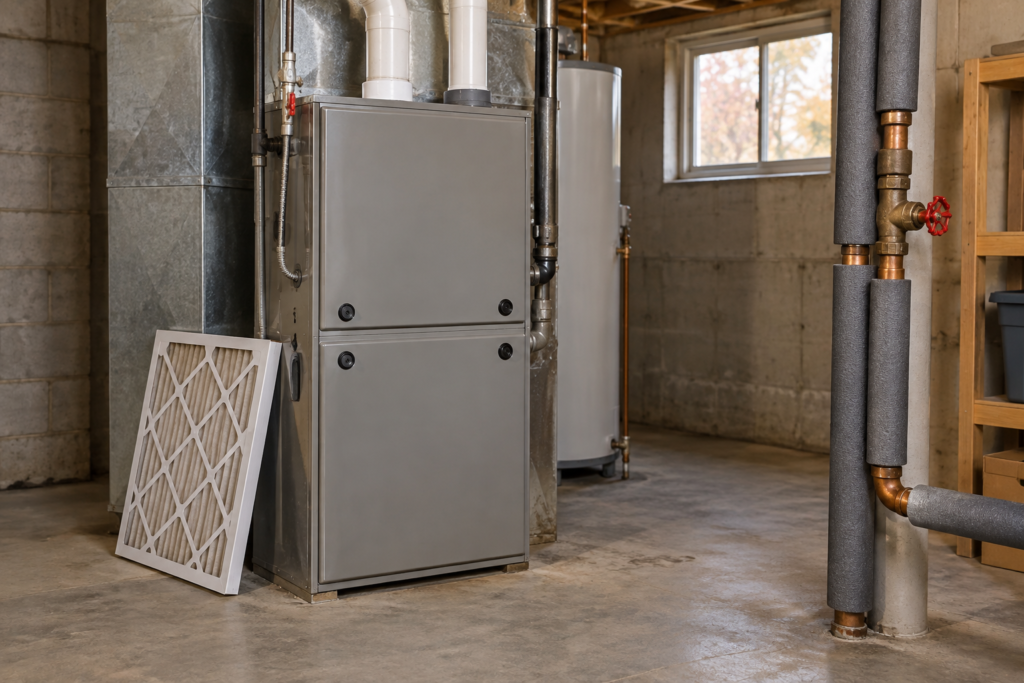
- Check the water heater and furnace area. Look for rust, puddles or drips at the base. Get a photo of the data plates so you know the age of each unit.
- Swap the HVAC filter. ENERGY STAR recommends you inspect, clean or change filters once a month. Leave a few spares and ask the tenant to swap them.
- Test every smoke and CO alarm. Note the manufacture dates and replace any that are past 10 years.
- Walk the outside. Check gutters and downspouts, grading near the foundation, roof edges seen from the ground, and any loose railings or steps.
- Ask the tenant one question: “Is anything not working the way it should?” Small reports, like a running toilet or a sticky door, are cheap now and costly later.
Keep it friendly and on file
Good tenants worry about two things: privacy and being judged. Promise neither visitor will open closets or drawers, keep the visit short, and say thank you. Fix what you find quickly. A tenant who sees a leak repaired within a week is far more likely to report the next one early.
Save the video and notes with the date in the property’s folder. That record helps at move-out when you’re separating normal wear from damage. It also feeds your repair reserve plan, because you’ll know which appliances are getting old. If a manager runs the visit, ask for the report as part of your monthly audit.
Illustrative, not a quote: paying a handyman $100-$150 for a 45-minute visit twice a year costs far less than a single cabinet-and-subfloor repair from a leak nobody noticed. Local rates vary.
For the bigger picture on running a rental from a distance, see how to manage an out-of-state property by yourself.
This article is for general educational purposes only and is not legal, tax, insurance or investment advice. Landlord entry rules vary by state and city and change over time; check current law and your lease, and consult a qualified local professional for your situation. The featured image is an AI-generated illustration, not a photo of a real property.
Related: Your tenant wants out early: a 7-step lease-break plan