Buying a Rental You Can’t Walk Through: An 8-Step Remote Due-Diligence Plan Before Your Option Period Ends

Buying a rental in another state usually means making an offer on a house you have only seen in listing photos. That is normal, and it can work. The risk is not the distance. The risk is a short contract deadline passing before you have learned what a local buyer would have noticed on a walk-through. Here is an eight-step plan for one-to-five-door owners to run remote due diligence while you can still walk away.
The misconception: “The appraisal will catch any big problems”
It will not. HUD’s own buyer notice, For Your Protection: Get a Home Inspection, says it in bold: “Appraisals are NOT Home Inspections.” An appraisal estimates value for the lender. The same notice says a home inspection “will only occur if you arrange for one.” No one is checking the furnace, the roof or the sewer line on your behalf unless you hire them.
Step 1: Know your clock before you sign
Your right to back out usually lives in the contract, not in a law. In Texas, the standard TREC one-to-four family resale contract gives the buyer an “unrestricted right to terminate” during a negotiated option period, in exchange for an option fee. Notice must be given by 5:00 p.m. local time where the property is located. Other states use inspection contingencies with their own deadlines. Ask your agent for the exact date and time, in the property’s time zone, and put it on your calendar.
Interpretation, not fact: for a remote buyer, a seven-day window is short. Book the inspector before you sign, not after.
Step 2: Hire your own inspector and be on the call
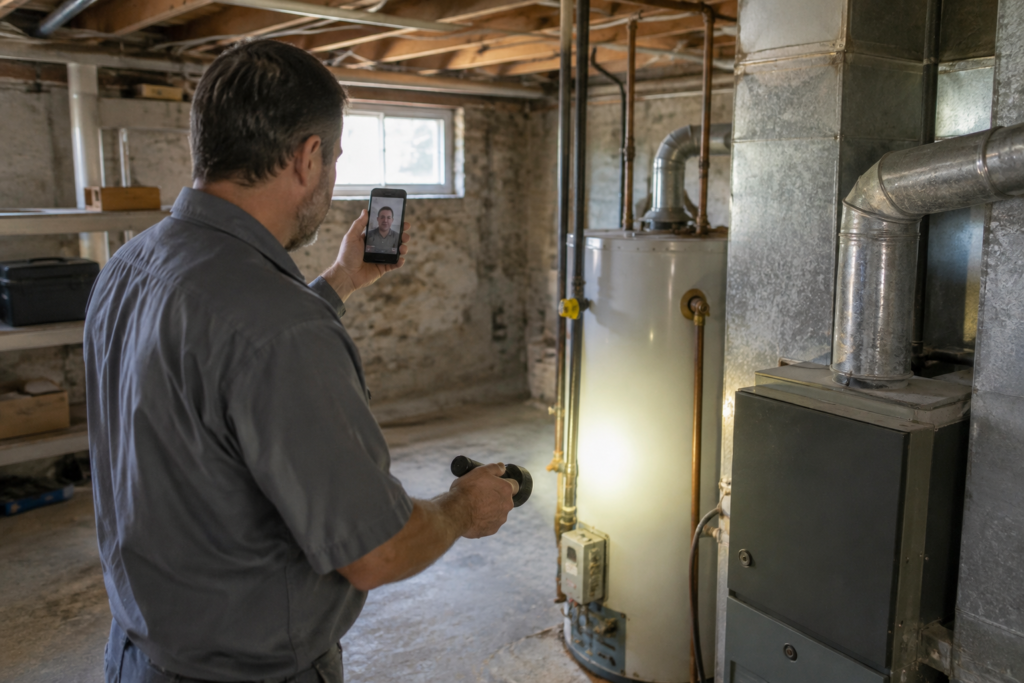
Pick the inspector yourself, not just the first name on the listing agent’s card. HUD suggests asking for the inspector’s Standards of Practice or a sample report before you hire. Ask whether they will do a 15-minute live video walk at the end. You want to see the attic, the electrical panel, the water heater and the foundation through their camera, and ask “how old is that?” while they are standing in front of it.
Step 3: Add the tests a standard inspection skips
HUD’s notice lists extra tests worth asking about, including mold, water quality, asbestos, lead paint and pests. It also says EPA and the Surgeon General recommend testing all houses for radon. EPA’s radon risk page says to fix a home at 4 pCi/L or higher. For older houses, common add-ons are a sewer camera scope and a separate roof or foundation look. Get prices before you sign so they fit inside your window.
Step 4: Use your lead-paint window on pre-1978 houses
Federal rules give you a specific right here. Under 40 CFR 745.110, the seller of pre-1978 housing must give the buyer a 10-day period to do a lead-based paint inspection or risk assessment before the buyer is obligated, unless both sides agree in writing to a different period. You can also waive it in writing. Read before you sign anything that waives it. As a landlord, you will owe your own tenants lead disclosures later.
Step 5: Read the seller’s disclosure line by line
Many states require a written seller disclosure. Texas Property Code §5.008 lays out a form for single-unit homes that asks about the roof type and age, known defects and more, with Yes, No or Unknown answers. A long list of “Unknown” answers on a house the seller rented out is a good reason to ask more questions. Hand the disclosure to your inspector so they can check the items on it.
Step 6: Check flood risk and get an insurance quote
Look up the address on FEMA’s Flood Map Service Center, then get a real landlord-policy quote before your window closes. Insurance can swing your monthly numbers more than the price does. Use our landlord policy checklist to compare quotes, and rerun the nine-line cash-flow math with the inspector’s repair list added in.
Step 7: If a tenant is in place, get the deposit in writing
Buying with a tenant means buying their lease and their deposit. In Texas, §92.105 makes the new owner liable for returning security deposits from the date title is acquired. The new owner must also give the tenant a signed statement with the exact deposit amount. Florida’s §83.49(7) requires deposits and advance rents to be transferred to the new owner with an accounting for each tenant. Before closing, ask for a copy of every lease, a rent ledger and a written list of deposits, and have your closing agent credit or transfer the money.
Step 8: Treat every wiring instruction as a possible scam
Remote buyers do everything by email, which is exactly where fraudsters work. The FBI’s 2024 Internet Crime Report lists $2.77 billion in reported business email compromise losses. Its separate real estate fraud category, which also covers rental and timeshare scams, shows 9,359 complaints and $173.6 million in losses. Before sending closing funds, call the title company at a phone number you found yourself, not one in the email. Confirm the account details out loud.
Your remote due-diligence checklist
- Write down the option or inspection deadline, with time and time zone.
- Book your own inspector before signing; ask for a sample report and a live video walk.
- Price radon, sewer scope and any roof or foundation add-ons.
- On pre-1978 homes, keep the 10-day lead inspection window unless you choose to waive it.
- Send the seller disclosure to your inspector; question every “Unknown.”
- Check the FEMA flood map and get a written insurance quote.
- If tenant-occupied: leases, rent ledger, deposit list, and a transfer at closing.
- Verify wiring instructions by phone using a number you looked up yourself.
Still choosing where to buy? Start with our six-filter market screen, and see how to manage an out-of-state rental yourself for what comes after closing.
This article is general education, not legal, tax, lending, insurance, or investment advice. Contract terms and disclosure rules vary by state and by contract; the statutes and figures above are from the linked public sources as of October 2026 and can change. Consult a licensed agent, inspector, attorney or closing professional before acting. The featured image is AI-generated and illustrative.