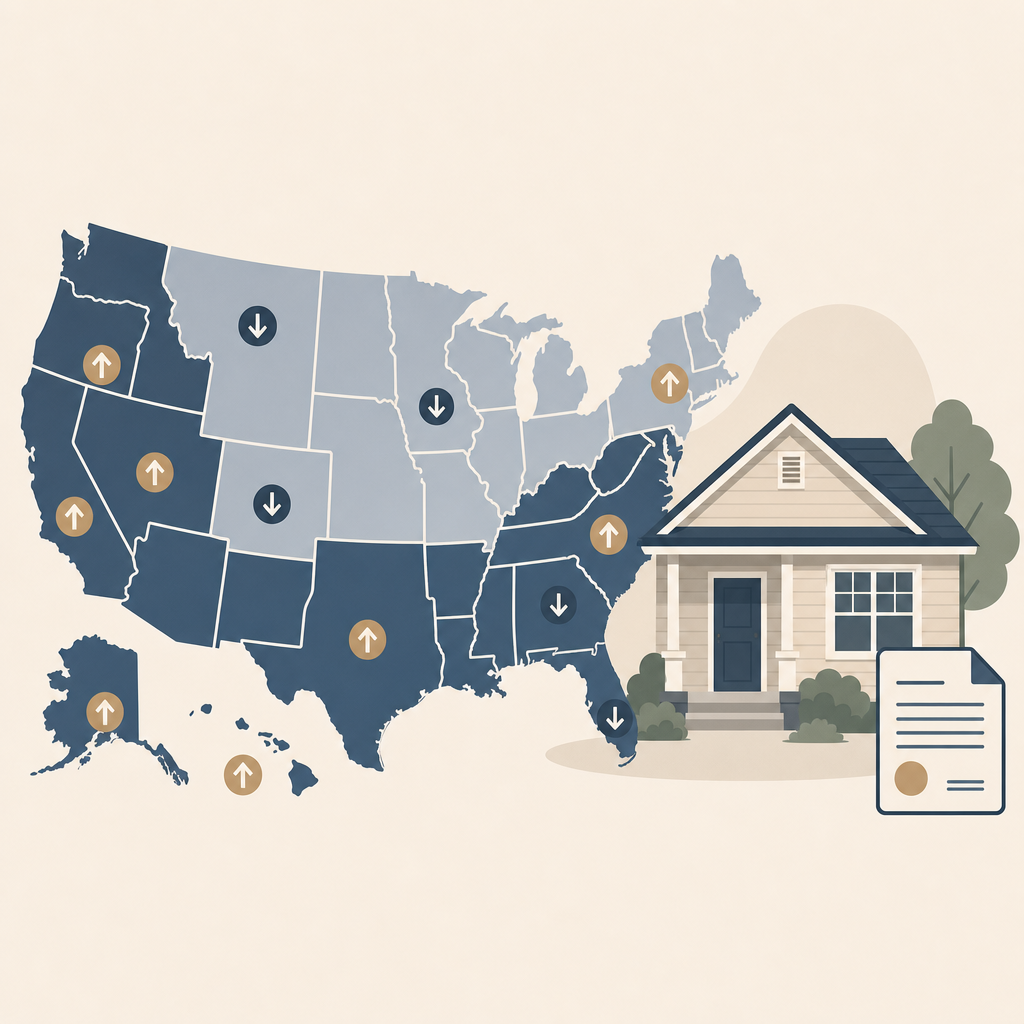
The Opportunity Zone Map Is Being Redrawn Right Now: Nominations Close September 28, New Zones Start January 1, 2027

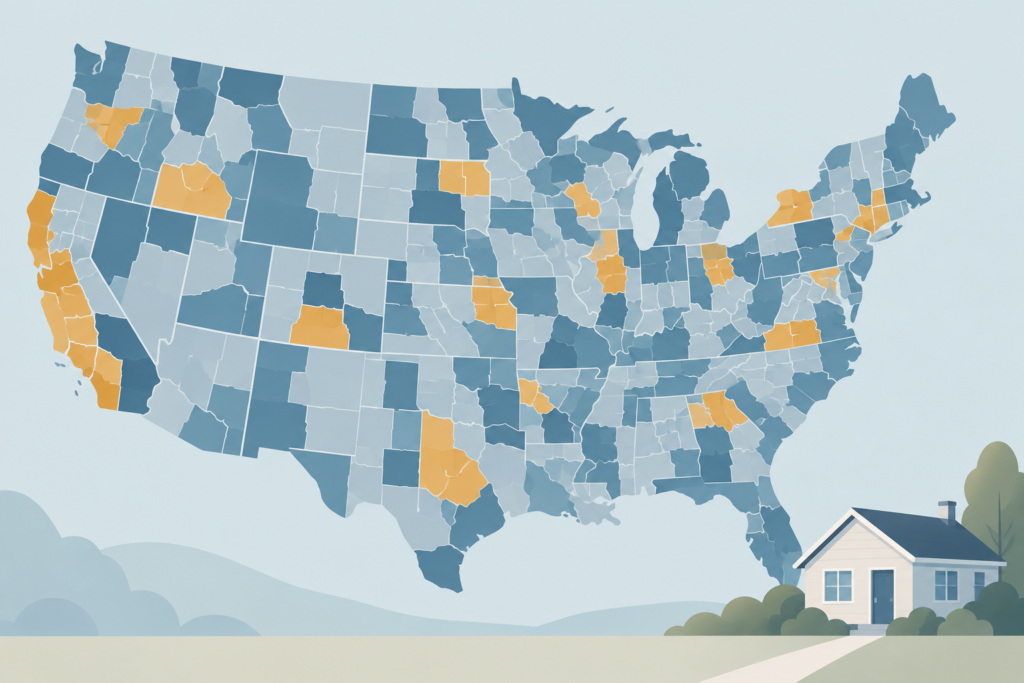
If you invest in rental property outside your home state, the Opportunity Zone map you looked at in 2019 is about to stop being the map that matters. Governors are nominating a brand-new set of census tracts right now, and the nomination window closes September 28, 2026 — with, at most, a 30-day extension to October 28. The tracts that survive the process become Qualified Opportunity Zones (QOZs) on January 1, 2027, and stay designated through December 31, 2036.
Here is what is actually happening, what it does and does not do for a small absentee owner, and the one misconception that costs people money.
The facts: a new ten-year designation cycle
The One, Big, Beautiful Bill Act (Public Law 119-21, section 70421) made the Opportunity Zone incentive permanent and put it on a ten-year redesignation cycle. The first “decennial determination date” was July 1, 2026.
Treasury and the IRS then issued Revenue Procedure 2026-14, which sets out the mechanics and identifies the eligible tracts. The numbers that matter:
- 25,332 census tracts nationwide qualify as low-income communities eligible for nomination, based on 2020–2024 American Community Survey data. 8,334 of them are entirely rural.
- Each state may have designated no more than 25% of its eligible tracts.
- Nominations are due by the end of the 90-day determination period — September 28, 2026, extendable on request to October 28.
- Treasury then has a 30-day consideration period to certify: November 27, 2026 at the earliest deadline, December 28 at the latest if extensions are used.
- The 2027 zones run January 1, 2027 through December 31, 2036.
- The 2018-era zones you may already know are not cancelled. Their ten-year clock ends December 31, 2028 (December 31, 2027 for Puerto Rico’s deemed-designated tracts).
The eligibility test also tightened. A tract now qualifies as a low-income community if its median family income is at or below 70% of the state or metro median (it was 80% under the 2017 law), or if it has a 20% poverty rate plus median family income at or below 125% of the state or metro benchmark. The old rule that let states nominate tracts merely contiguous to a low-income tract was repealed.
What changed for money invested after December 31, 2026
For amounts invested in a Qualified Opportunity Fund after December 31, 2026, section 70421 rewrote the benefit itself:
- Rolling five-year deferral. Deferred gain is included in income at the earlier of the date you sell the fund interest or five years after you invested — not a fixed 2026 cliff as under the old rules.
- 10% basis step-up at five years — 30% for an investment in a Qualified Rural Opportunity Fund.
- Ten-year exclusion, now capped at 30 years. On a qualifying ten-year hold, basis is stepped to fair market value at sale, or to value at the 30-year mark if you hold longer.
- Rural improvement break, already in effect. For zones comprised entirely of a rural area, the “substantial improvement” test is 50% of adjusted basis instead of 100%. Unlike the rest, this change took effect on enactment (July 4, 2025), not in 2027. “Rural area” means anything outside a city or town over 50,000 people and outside an urbanized area adjacent to one.
A second development landed on September 11, 2026: proposed regulations (REG-116506-25, 91 FR 57968) implementing the new information-reporting duties for funds under Code sections 6039K and 6039L, plus procedures for revoking an inadvertent fund self-certification. Comments close October 16, 2026; a telephonic hearing is scheduled for November 5. Penalties for a fund that fails to file run $500 per day, generally capped at $10,000 per return, with higher amounts for intentional disregard.
The misconception: “I bought in an Opportunity Zone, so I get the tax break”
This is the part most landlord forums get wrong. Buying a rental house located inside a designated tract, with ordinary cash, in your own name or your ordinary LLC, produces no Opportunity Zone benefit at all. The incentive is not a location discount. It requires, at minimum:
- an eligible capital gain you are rolling over;
- investment of that gain into a Qualified Opportunity Fund — a corporation or partnership that self-certifies and must hold at least 90% of its assets in qualified opportunity zone property; and
- property that is either originally used in the zone by the fund or is substantially improved — generally spending more than the adjusted basis of the building (excluding land) within 30 months; 50% of basis in rural zones.
A turnkey rental you buy and rent as-is typically fails the third test outright. And for property acquired after December 31, 2026, the purchase must occur after the new zone’s January 1 start date to count as qualified opportunity zone business property for a 2027 zone.
Interpretation, not fact: for most mom-and-pop out-of-state investors, the realistic use of this regime is narrow — a heavy value-add rehab funded by a recent capital gain, structured through a fund, with a ten-year horizon and professional tax help. The rural 50% improvement test is the piece most likely to change the math on a small-town duplex.
What to actually do in the next two weeks
- Check your target tracts against the Rev. Proc. 2026-14 appendix. Eligibility is published; designation is not, yet.
- Watch for the designation list, which Treasury and the IRS said they expect to publish after nominations close and before January 1, 2027.
- Do not pay a premium today for “future zone” status. Eligible is not designated, and states can only pick a quarter of their eligible tracts.
- If you already own in a 2018 zone, note the December 31, 2028 expiration and confirm whether your tract is also on the 2027 eligible list.
- If you are contemplating a fund, read the proposed reporting regs before you self-certify; the compliance load on a one-property fund is real.
- Keep running the boring fundamentals. Zone status does not fix a bad market, a bad tenant, or absentee management. See our guides on whether out-of-state investing fits you, managing a property from a distance, and hiring a property manager.
This article is educational content for property owners and is not legal, tax, financial, or investment advice. Opportunity Zone rules are technical and fact-specific, and designations were still pending when this was written. Confirm the current status of any tract and consult a qualified tax professional before acting.
Related: The federal 30-day eviction notice did not expire — what changed in the last year.