Is Your Out-of-State Rental Actually Insured? 7 Lines to Check on Your Landlord Policy This Week


When you live 1,000 miles from your rental, your insurance policy is the one thing that has to work exactly as written on the worst day of the year. Most small landlords buy it once at closing, renew it automatically, and never read it. This is a seven-line check you can do this week with your declarations page and your policy form open side by side. It takes about an hour.
First, know which form you actually have
Landlord insurance for a 1-4 unit rental is usually written on a “dwelling” form, not a homeowners form. The Insurance Information Institute says that if you lease a home for six months or a year, you will likely need a landlord or rental dwelling policy, and that these policies generally cost about 25 percent more than a standard homeowners policy. The industry’s standard forms come in three tiers: DP-1 (basic, named perils), DP-2 (broader named perils) and DP-3 (special form, which covers the building against any cause not specifically excluded).
Below, we quote the Insurance Services Office (ISO) DP-3 form (DP 00 03 07 14), which many carriers use or adapt. Your carrier’s wording may differ, so treat this as a map of where to look, not a description of your policy.
The 7 lines to check
- Is it a landlord form at all? If the property is still on a homeowners policy from when you lived there, call your agent today. The Texas Department of Insurance home insurance guide lists losses that occur after a house has been vacant for the number of days specified in the policy among the things home policies may not cover, and a home you have moved out of is exactly that situation.
- Dwelling limit vs. rebuild cost. Under the ISO DP-3 loss settlement condition, the building is paid at replacement cost only if you insured it for at least 80% of its full replacement cost. Below that, the payout shrinks. Illustrative, not a quote: a house that would cost $300,000 to rebuild, insured for $200,000, sits at 67%. On a $30,000 roof claim, the form pays about $200,000 ÷ $240,000, or 83% of the cost ($25,000), or actual cash value if higher, before the deductible. Ask your agent for the current replacement-cost estimate, not the purchase price or the loan balance.
- Fair rental value (lost rent). Coverage D pays the rent you lose when damage from a covered peril makes the unit “unfit for its normal use,” minus “any expenses that do not continue,” for “the shortest time required to repair or replace.” On the ISO form, lost rent and additional living expense share a pool of up to 20% of the dwelling limit. Check the dollar figure or time cap on your declarations page.
- Liability. The ISO DP-3 form itself is a property form: it contains no bodily-injury liability section. Liability is normally added by a separate supplement or endorsement. The III says landlord policies include liability for injuries to tenants and guests, and many carrier packages do bundle it. Interpretation, not fact: do not assume. Find a liability limit printed on your declarations page; if there isn’t one, you may not have it.
- The 60-day vacancy clauses. The ISO DP-3 excludes vandalism, malicious mischief, theft and glass breakage if the dwelling “has been vacant for more than 60 consecutive days immediately before the loss.” Long turnovers are exactly when empty houses get broken into. If a vacancy could run past 60 days, ask about a vacancy permit or endorsement before day 60, not after.
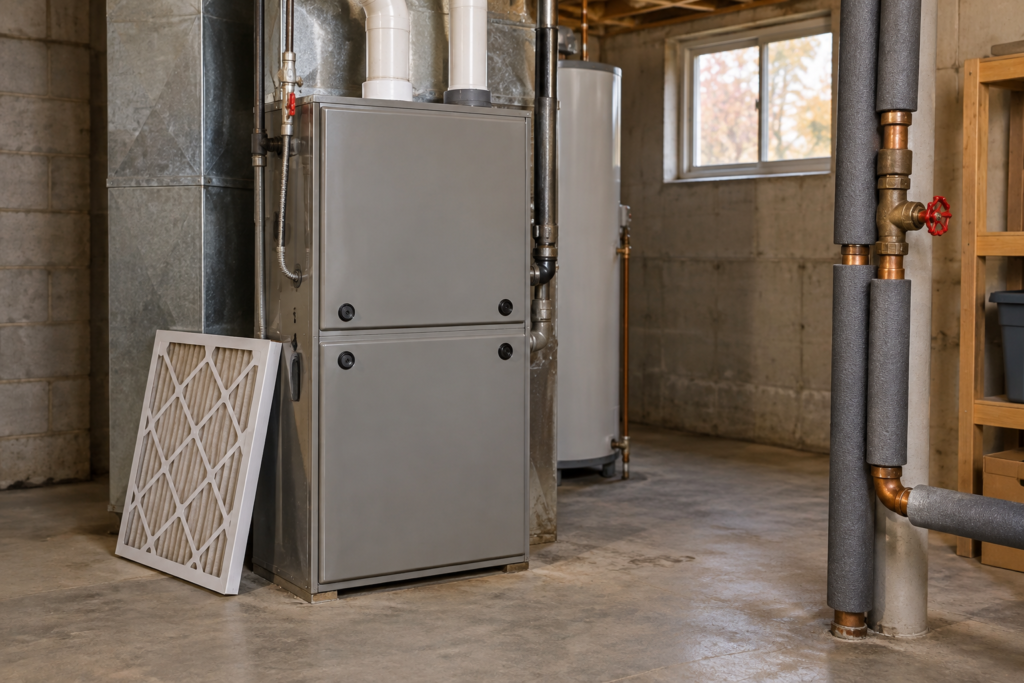
- Freezing and slow leaks. Freeze damage to plumbing and heating is covered on the ISO form only if you used reasonable care to maintain heat in the building, or to shut off the water and drain the systems. Separately, “constant or repeated seepage or leakage of water” over weeks, months or years is excluded. For a remote owner, that makes your winter checklist and your photos and invoices part of your insurance file.
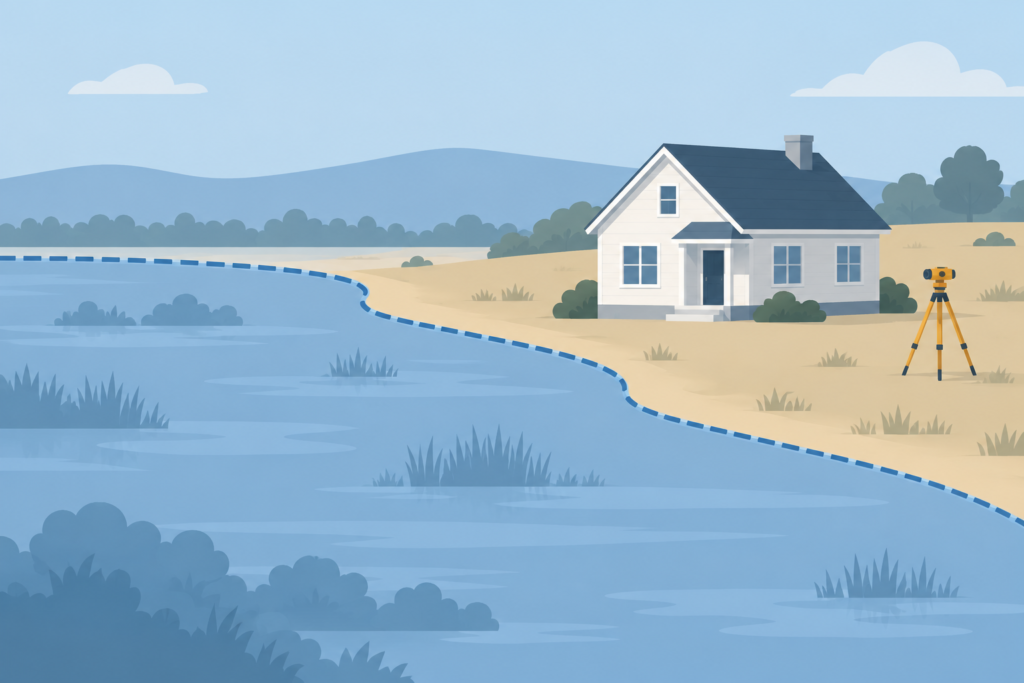
- Flood is a separate policy. The DP-3 water exclusion covers flood, surface water and storm surge. FloodSmart.gov, FEMA’s National Flood Insurance Program site, says NFIP building policies cover up to $250,000, coverage generally starts 30 days after purchase, and the policy does not cover temporary housing, additional living expenses or business-interruption losses. Interpretation: a flood claim on an NFIP policy will not replace your lost rent. See our note on the NFIP authorization deadline.
The misconception: “loss of rent covers an empty unit”
It does not. Fair rental value coverage is triggered by physical damage from a covered peril, not by a tenant who stops paying, a lease-up that takes three months, or an eviction. A burst pipe that makes the unit unlivable can trigger it; a tenant who skips out cannot. Nonpayment risk is handled by screening and by your cash reserve, not your property policy.
A related point: your policy does not insure your tenant’s belongings. New York’s Department of Financial Services puts it plainly: a landlord’s insurance “will not protect you or your belongings as a renter.” Many landlords require renters insurance in the lease so a tenant’s lost sofa does not turn into a dispute with you. Check your state and local rules before making it a lease requirement.
What to do this week
- Download the declarations page and the full policy form (with every endorsement) for each door. Save them where your manager or a family member can find them.
- Write down five numbers: dwelling limit, replacement-cost estimate, deductible (and any separate wind/hail deductible), fair rental value limit, and liability limit.
- Email your agent three questions: “Is this a DP-1, DP-2 or DP-3 form?”, “What is my vacancy limit and is there a vacancy endorsement?”, and “Am I at 80% of replacement cost?”
- If you use a property manager, ask for their certificate of insurance and ask whether your vendors carry liability coverage. (Our guide to hiring a property manager covers the rest.)
- Put the policy renewal date on your calendar 45 days early, so you can re-shop or fix gaps before it renews automatically.
For a self-managing remote owner insurance decides whether a bad night is an inconvenience or a financial hit. For more tools, see our resources page.
This article is general educational information, not insurance, legal, tax or financial advice. Policy forms, endorsements and state rules vary; your own policy and your licensed agent are the authority on your coverage. Dollar examples are illustrative, not quotes. Featured image is an AI-generated illustration.