Who Pays the Water Bill? A 7-Step Utility Setup Plan for Out-of-State Landlords

Most remote landlords treat utility accounts as an afterthought. That’s backwards. When you live in another state, a shutoff notice gets taped to a door you’ll never see, and a lien for an unpaid water bill can turn up in the county records before anyone tells you. Here’s the setup for a 1-5 door rental.
The misconception: “It’s in the tenant’s name, so it’s not my problem”
Sometimes. It depends on your state and the utility.
Texas (fact): Local Government Code §552.0025 lets a city, by ordinance, place a lien on an owner’s property for delinquent municipal utility bills, unless the property is the owner’s homestead. Your rental isn’t your homestead. The lien does not apply to service connected in a tenant’s name after the owner has notified the city that the property is a rental. A recorded lien ranks ahead of everything except a mortgage recorded before it.
Florida (fact): under §180.135, a city can’t refuse service to you or your next tenant, or lien the rental, over a former occupant’s unpaid charges, except to the extent the current owner or tenant benefited directly from that service. The protection applies only if the former occupant held the account, or the city knew who they were and when they had service. A city can still cut off a tenant who is 30 or more days behind.
Interpretation, not fact: one form to the city water department in Texas, or one phone call to make sure the tenant’s name is on the account in Florida, can be the difference between the tenant’s debt and yours. Water districts, co-ops and private utilities differ, so ask each provider.
If you pay a utility, you can’t let it lapse
Many owners keep water, sewer and trash in their own name. Fine, but then you must pay. In Texas, if the utility cuts service or sends a cutoff notice because the landlord didn’t pay a bill the lease says the landlord covers, Property Code §92.301 lets the tenant pay the utility and deduct it from rent. The tenant can also end the lease with 30 days’ notice and recover moving costs, lost wages, court costs and attorney’s fees. The usual remote-owner cause: an expired autopay card.
Never use utilities as leverage
Shutting off service to push out a non-paying tenant is one of the most expensive mistakes a small landlord can make, even when the account is in your name:
- Texas: §92.008 allows interruptions only for bona fide repairs, construction or emergencies. If you violate it, the tenant can recover actual damages plus one month’s rent plus $1,000, plus attorney’s fees.
- Florida: §83.67 bans causing any interruption “whether or not the utility service is under the control of, or payment is made by, the landlord.” Damages are the greater of actual damages or three months’ rent.
- California: Civil Code §789.3 allows up to $100 per day, with a $250 minimum per violation.
Unpaid rent goes through the eviction process, never through the meter.
Duplexes and shared meters
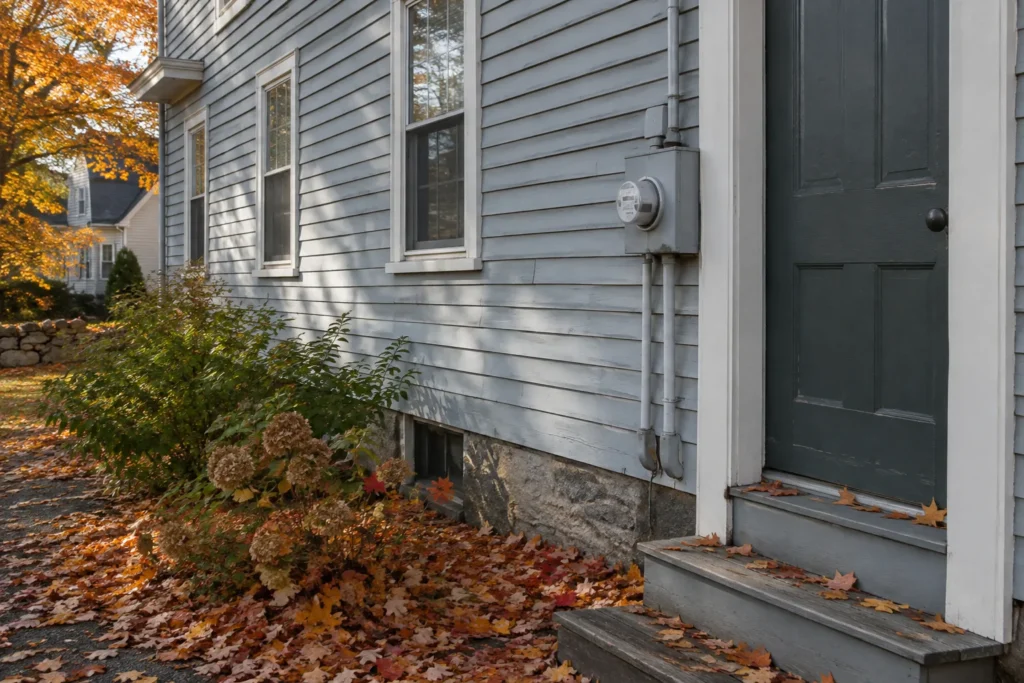
If a tenant’s meter also powers something outside their unit, like porch lights, a shared laundry or a well pump, California’s Civil Code §1940.9 requires you to disclose it before the tenancy starts and to sign a written agreement on how that cost is paid. Otherwise the tenant can sue to have you made the customer of record and recover what they paid. Interpretation: on any small multifamily, check what each meter feeds before you list the unit.
Vacancies: the owner’s name, and the heat, matter most
Between tenants, the utilities usually go back to you. Your insurance cares. The ISO dwelling policy form (DP 00 03) covers freezing of plumbing only if you used reasonable care to maintain heat in the building or to shut off the water and drain the systems. Before the tenant’s move-out date, ask each provider how to switch service back to your name with no gap.
Use the water bill as a leak detector
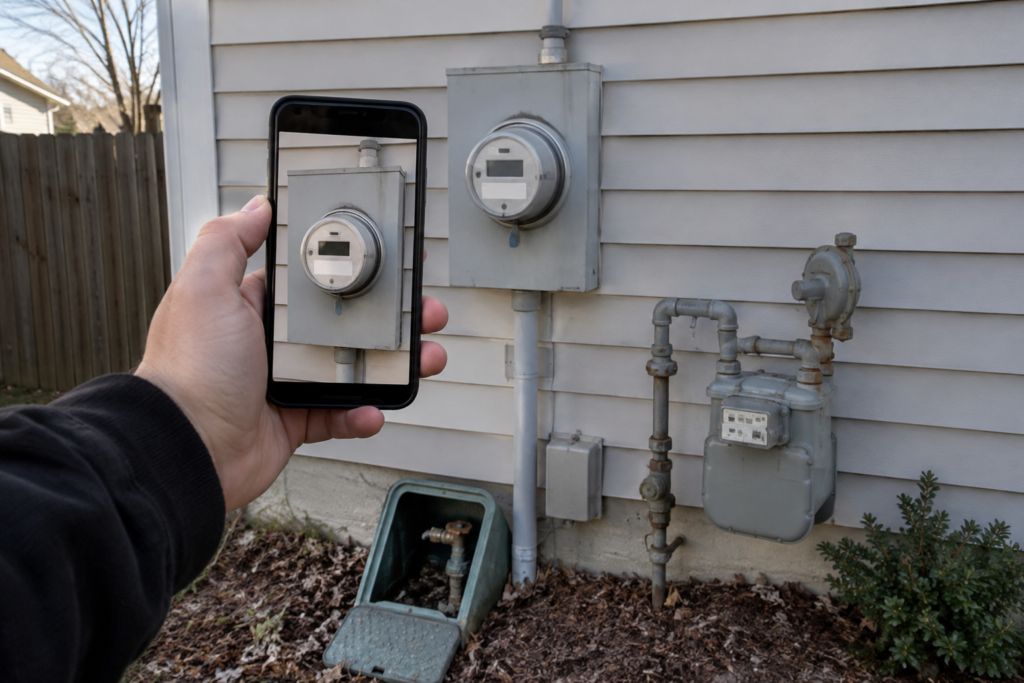
The EPA says the average household’s leaks waste more than 9,300 gallons a year, and 9% of homes have leaks of 50 gallons or more per day. If you pay the water bill, a jump in usage is often your first sign of a running toilet or a slab leak.
The same logic explains why most single-family owners make the tenant pay electric. The U.S. average residential price was 18.16 cents per kWh in August 2026, up from 17.57 a year earlier (EIA, preliminary). At an illustrative 1,000 kWh summer month, that’s about $180 that the person who controls the thermostat isn’t paying for.
Your 7-step utility setup checklist
- Build a utility sheet. For each service (electric, gas, water, sewer, trash, propane), record the provider, the account holder, who pays and the phone number. Keep it with your monthly cash-flow math.
- Write it into the lease. Spell out who pays each utility and the date the tenant must have accounts in their own name, normally on or before move-in.
- Tell the city it’s a rental. Ask the water department whether it can lien owners for tenant bills and what notice or form protects you. Keep the confirmation.
- Bulletproof owner-paid accounts. Use autopay from your rental bank account with a backup card, send paper and email bills to you rather than the property, and set a calendar reminder for card expiry dates.
- Map shared meters on duplexes and small multifamily, and put any shared cost in writing.
- Plan the vacancy handoff. Switch service back to your name before move-out, set the thermostat (a smart thermostat lets you check it from home), and decide whether to shut off and drain the water during long winter vacancies. See our vacant-rental protection plan.
- Review owner-paid bills monthly. Compare usage to the same month last year and send someone to look at anything 25% or more higher. Our mid-lease inspection guide covers what they should check.
Buying a rental that already has a tenant? Add utility accounts to the documents you request before closing. See buying with a tenant in place. More: how to manage out-of-state real estate by yourself.
This article is general education for rental property owners, not legal, tax, insurance or financial advice. Utility rules vary by state, city and provider, and statutes change. Check current law and your policy, and talk to a qualified professional about your situation. Dollar figures are illustrative, not quotes. The featured image is AI-generated and does not show a specific property.