Tenant Gone Silent and Rent Unpaid? 7 Steps Before You Treat Your Out-of-State Rental as Abandoned

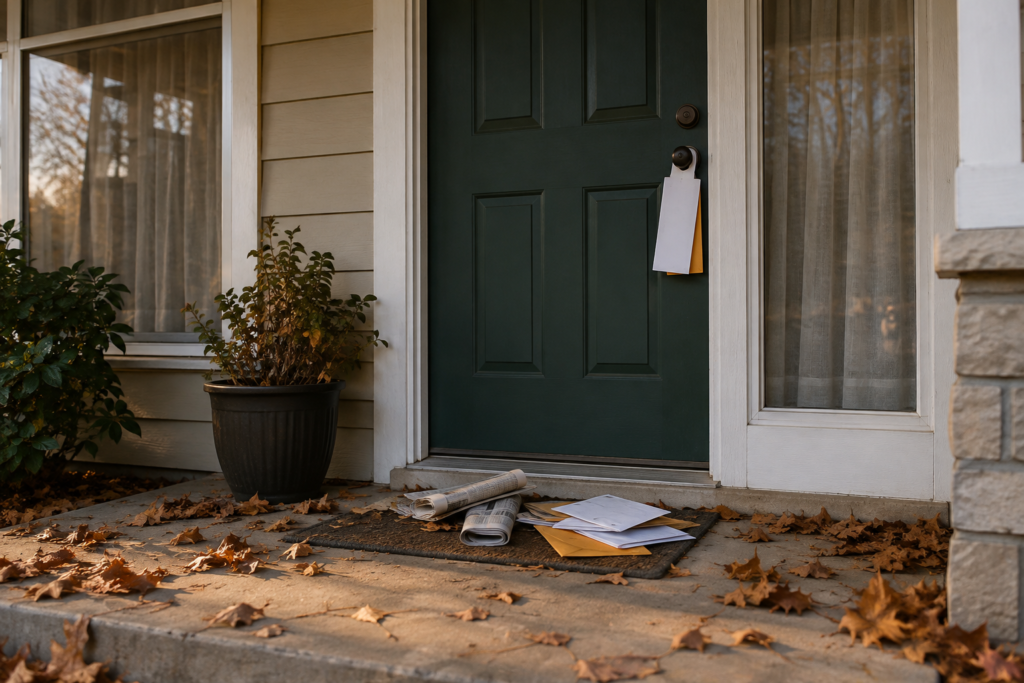
The rent didn’t arrive on the 1st. By the 10th your texts go unread, the tenant’s phone goes to voicemail, and your handyman drives by and sees mail piling up on the doormat. From 900 miles away, the tempting move is to change the locks, clear the place out and relist.
That’s the move that turns a $1,600 problem into a $6,000 one. Here is how “abandoned” actually works, using Florida, California and Texas as examples, and a seven-step plan you can run from home.
The misconception: “No rent plus no answer means abandoned”
Unpaid rent and silence are not the same thing as abandonment. The tenant could be in the hospital, deployed, or just avoiding you. Until the law treats the unit as abandoned or surrendered, the tenant still has possession, and so do their belongings.
Florida spells this out. Under section 83.59(3), a landlord can take back a unit only through a court action, a surrender, or abandonment. Without actual knowledge, abandonment is presumed only if the tenant has been absent for half the rental period, so about 15 days on a monthly lease. The presumption does not apply if rent is current or the tenant told you in writing they’d be away. Section 83.67 bars removing a tenant’s belongings except after surrender, abandonment or a lawful eviction. A violation costs actual and consequential damages or three months’ rent, whichever is greater, plus attorney’s fees. At $1,600 a month, that’s at least $4,800.
California uses a formal notice. Under Civil Code 1951.3, you can send a “Notice of Belief of Abandonment” only after rent has been unpaid for at least 14 consecutive days and you reasonably believe the tenant left. The lease ends on the date in the notice, which must be at least 15 days after personal delivery or 18 days after mailing. If the tenant writes back before that date saying they haven’t abandoned it and giving an address for service, the shortcut is off. Then you go through the normal eviction process.
Texas is looser on paper, but the penalties are real. Property Code 92.0081 lets a landlord keep a tenant out while “removing the contents of premises abandoned by a tenant,” but the section doesn’t define abandonment. Interpretation, not fact: that puts a lot of weight on how your lease defines it and on the evidence you can show. Get it wrong and the tenant can recover a civil penalty of one month’s rent plus $1,000, actual damages and attorney’s fees. Changing locks for unpaid rent is a separate path with its own rules: it must be in the lease, you must give advance written notice, and the tenant gets a new key at any hour whether or not they pay.
The belongings have their own rules
Even once the unit is yours again, what’s inside usually isn’t yours to toss. In Florida, section 715.104 requires a written notice describing the property and giving a claim deadline at least 10 days out if hand-delivered, or 15 days if mailed. Under 715.109, items you reasonably believe are worth less than $500 can be kept or disposed of. Anything worth more goes to an advertised public sale. Florida also lets you skip that process if your lease includes a specific capitalized legend from 83.67(5). California’s version (Civil Code 1983 and 1988) uses the same 15/18-day timing and a $700 threshold.
When the silence means something worse
Sometimes the tenant didn’t leave. They died. Call for a police welfare check before anyone opens the door. Texas section 92.014 lets you ask each tenant, in writing, for an emergency contact and a signed authorization covering access, belongings and the deposit refund. If a sole occupant dies, you may remove and store their property and must release it to the designated person. You can discard it only after a certified-mail request goes unanswered for 30 days. Florida’s 83.59(3)(d) allows recovery after a sole tenant’s death once rent is unpaid, 60 days have passed, and you haven’t been notified of a probate estate.
Meanwhile, the house is vacant
A truly empty unit brings insurance and security risks. The standard ISO DP-3 dwelling form excludes vandalism and glass breakage once the dwelling has been vacant for more than 60 consecutive days. Empty houses also attract the listing scammers and squatters we covered earlier. Check your policy and keep the heat on.
Your 7-step plan
- Try every contact channel and log it. Use phone, text, email, the emergency contact on the application, and a co-signer if there is one. Screenshot it all.
- Get eyes on the outside, not the inside. Have your handyman or agent photograph the mail pile, the closed curtains, the car (or no car), and the utility meters.
- Request a welfare check if anything feels wrong. The police go in. You don’t.
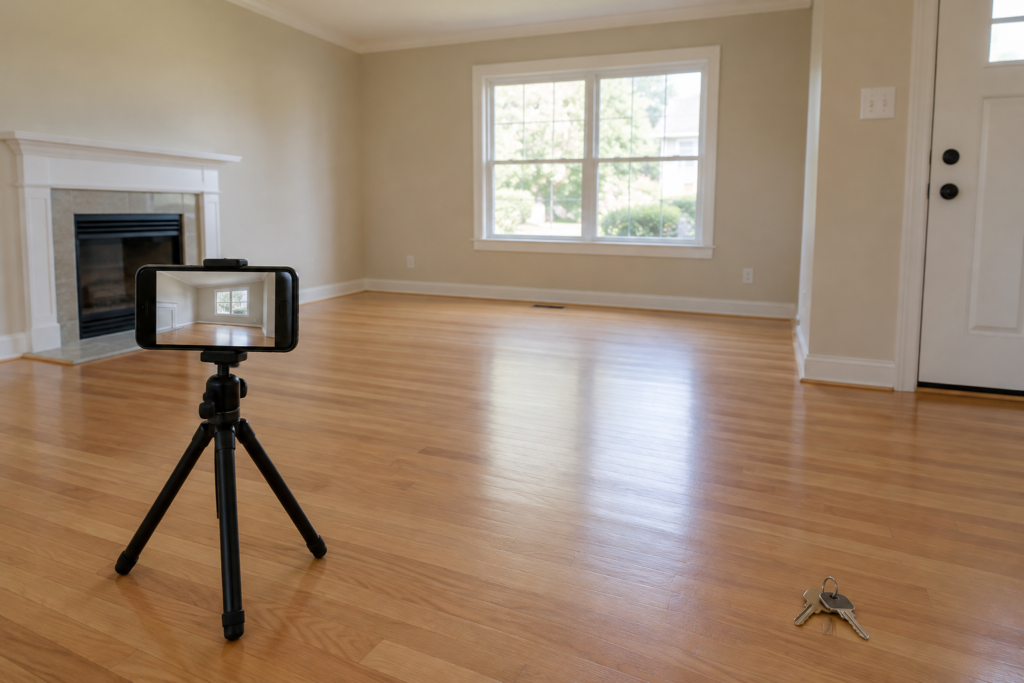
- Enter only under your state’s entry rules. Give proper notice, or enter only in a true emergency, and bring a witness. Film every room and check for food, clothes, medications and furniture.
- Follow your state’s formal path. That might be California’s 1951.3 notice, Florida’s presumption (which needs unpaid rent and no written absence notice), or your lease’s definition in Texas. Start your normal late-rent process at the same time. If there’s real doubt, file for possession. A court order is slower but it’s the safe route.
- Inventory and store belongings before disposing of anything. Photograph each item, send the required notice, and wait out the claim period.
- Close out the deposit properly. Use your normal move-out inspection and deposit itemization, sent to the last known address and any forwarding address. Then call your insurer about the vacancy.
Set this up before you need it
Add an emergency-contact form and an “extended absence” clause to your lease template. The clause should ask tenants to tell you in writing before they leave for 7 or more days. In Florida, that written notice also blocks the abandonment presumption. Save your state’s notice forms in the property folder. For the big picture, see how to manage an out-of-state property by yourself and our landlord insurance checklist.
This article is for general education only and is not legal, tax or financial advice. Abandonment, lockout, entry and personal-property rules vary by state and city and change over time; confirm current rules with official sources or a licensed attorney before entering a unit, changing locks or removing belongings. Statute details are as of November 2026; dollar figures are illustrative, not quotes. The featured image is an AI-generated illustration and does not show a real property.